One Platform.
Every Human Risk Decision.
CheckNet combines AI, automation, and advanced data correlation to collect, validate, match, and analyze publicly available information, delivering trusted Human Risk Insights at enterprise scale
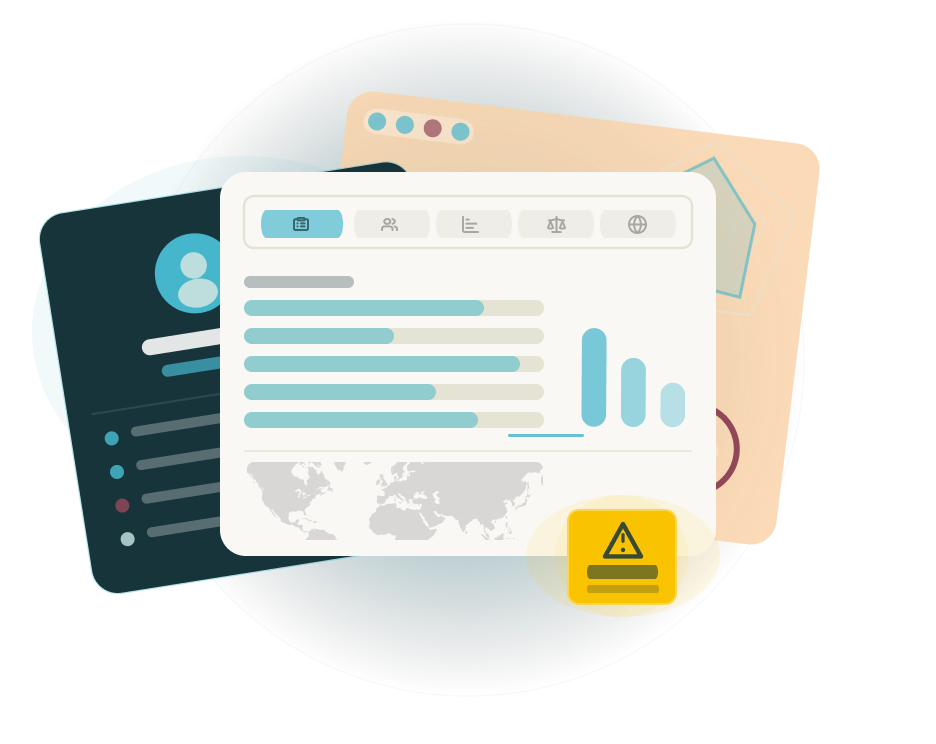
Turning Public Data Into Trusted Insights
Public information has never been more accessible. Organizations can search the web, use AI assistants, or access specialized databases—but each source provides only part of the picture.
The challenge isn't access to information. It's connecting fragmented data, validating its accuracy, and turning it into trusted, personal, actionable insights.
CheckNet brings together hundreds of trusted public sources into a single intelligence platform. Using AI, advanced data correlation, and identity resolution, it validates findings, connects them to the right individual, and surfaces the insights that matter most.
Every result includes source transparency, contextual risk indicators, and actionable recommendations, helping organizations move beyond isolated data points to faster, more confident decisions.
The result isn't more information. It's a complete, trusted picture you can act on.

How the platform works
CheckNet automates the entire intelligence lifecycle: from collecting fragmented public data to generating trusted, decision-ready Human Risk Intelligence dashboard.
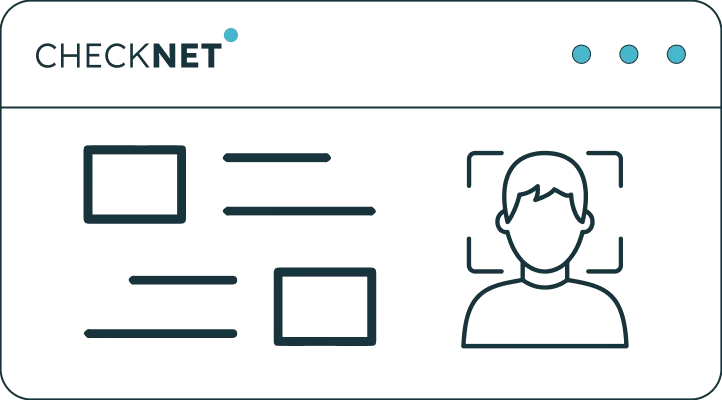
Enter basic details or trigger the process automatically through your other integrated systems using CheckNet's APIs.
Searches hundreds of trusted global sources, including web content, business databases, legal records, and social platforms.
Uses AI-powered entity matching to connect fragmented data points to the correct individual with high confidence.
Validate findings, filter noise, identify risk indicators, and generate meaningful context.
Generate a decision-ready dashboard:
AI-powered summaries, risk signals, interview guidance, and next-step recommendations.
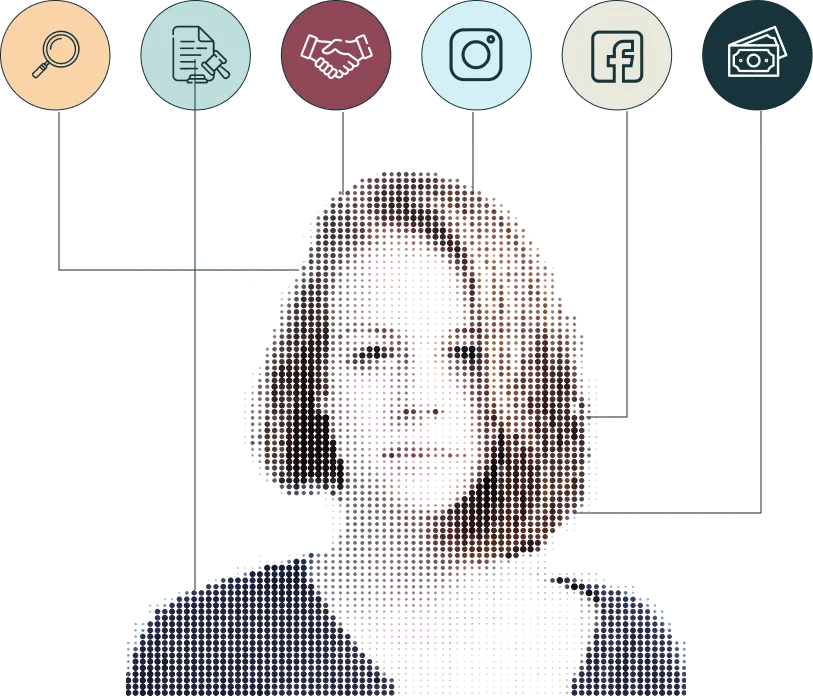
A Broader View Across Digital Data
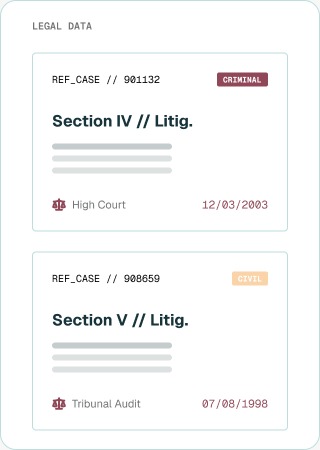
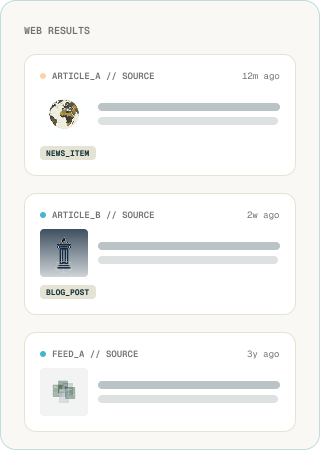
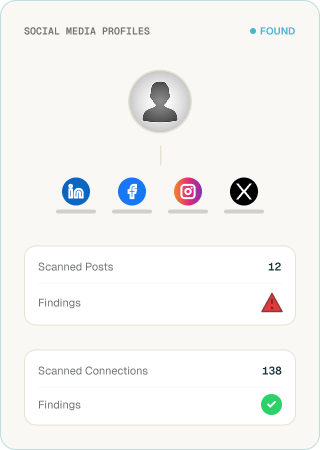
Human risk can appear in many places. CheckNet is designed to collect and analyze public information across multiple categories, creating a broader picture than a single database, manual search, or resume review can provide.
Not manual research. Not generic AI. Not just data.
Background checks often fall into three categories: manual research, database-only checks, or generic AI tools.
CheckNet is different because it is purpose-built to identify and assess people-related risks
Clear, Actionable Checks Built for Decision-Making
Every CheckNet background check is designed to help teams quickly understand what was found, what may be relevant or risky, and where further review or validation is needed, with full transparency to the source.
a concise overview of key findings and context
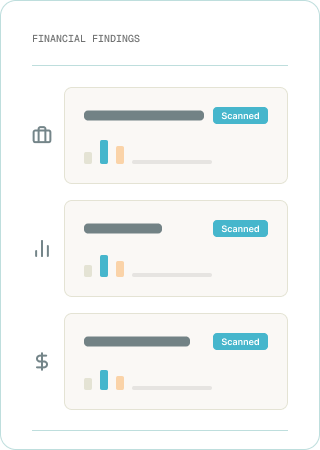
organized by legal, financial/business, web, and social signals
surfacing relevant or potentially risky signals
distinguishing high-confidence matches from lower-confidence mentions
direct references to all underlying information
indicating what requires further review or deeper validation
Built for responsible background checks
CheckNet is designed around responsible use of public information. The platform supports organizations that need structured, auditable, and compliant processes for reviewing human risk.
The system works with public and legally accessible information, supports privacy-aware workflows, and helps organizations document the review process in a consistent way.


Understanding Human Risk.
Latest Insights, case studies, and expert perspectives on how organizations identify, understand, and manage human-related risk.



The platform supports an end-to-end intelligence workflow: users provide basic identifying details or trigger a check through an integration; CheckNet collects relevant information, matches it to the correct individual, analyzes findings and context, and delivers a structured dashboard with summaries, indicators, source references, and recommended next steps.
The core stages are Collect, Match, Analyze, and Deliver. Collect gathers relevant information from multiple sources. Match connects findings to the right individual. Analyze validates relevance, filters noise, and identifies indicators in context. Deliver presents the results in a decision-ready format with summaries and follow-up guidance.
CheckNet is designed to collect publicly available information from hundreds of global sources, including web content, legal records, business databases, media, and social platforms. Some relevant sources may require separate or paid access, subject to lawful availability and the organization's configuration.
CheckNet uses AI-powered identity resolution and data correlation to assess whether separate records and digital references relate to the individual being screened. The platform uses available identifying details and contextual attributes to connect findings and distinguish stronger matches from less certain references. No matching process should be treated as infallible; findings should be reviewed in context.
The platform is designed to cross-reference information, assess identity relevance, filter noise, and provide context and source references. This helps users distinguish potentially relevant findings from unrelated mentions and decide what requires further review.
A CheckNet report can present a concise summary, organized findings and risk categories, highlighted indicators, confidence information, direct references to underlying sources, and actionable insights or follow-up recommendations. The exact output depends on the screening workflow and configuration.
Yes. CheckNet is designed to work across global public-source information and multiple languages, helping organizations research people whose work, residence, or digital presence spans more than one country. Coverage depends on the information available in relevant sources and applicable access restrictions.
Yes. CheckNet supports API-based workflows and enterprise integrations so organizations can initiate screening and receive results through existing systems and processes. Specific integrations and implementation requirements should be confirmed during a product demonstration.
The platform is configurable. Organizations can tailor relevant sources, screening criteria, risk signals, reporting, and workflow steps to their needs and governance requirements.
No. CheckNet organizes information and provides decision support. Human reviewers should assess source quality, identity confidence, context, relevance, and any follow-up needed before making or recommending a decision.
CheckNet is designed to work with publicly available and legally accessible information and to provide source transparency and structured documentation. Organizations remain responsible for defining a lawful purpose, determining an appropriate legal basis, following applicable privacy and employment rules, and using findings fairly and proportionately.
See How CheckNet Works in Your Organization
Schedule a short demo to see how CheckNet analyzes public data and delivers decision-ready insights for your hiring, suppliers, and teams.